Office Clearance Waterloo — Health & Safety Policy
Policy overview
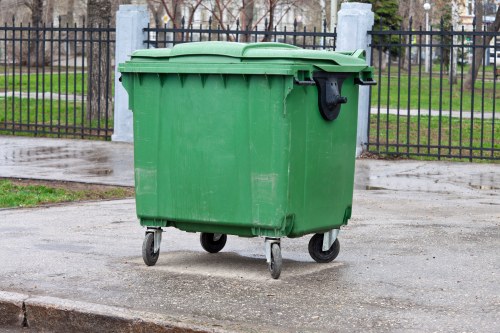 Office Clearance Waterloo provides a clear, practical health and safety policy designed to protect staff, clients and the community during all commercial clearance and rubbish removal operations. This document sets out the intent, scope and key responsibilities for safe working across our service area. The policy applies to every stage of a clearance project — from planning and risk assessment to transport and disposal — and is written to be accessible to operatives, supervisors and contractors. Our aim is to reduce harm, prevent incidents and maintain a consistent standard of safety.
All managers and operatives are responsible for implementing this policy. Leadership ensures resources and training are provided, while operatives must follow safe systems of work and report hazards immediately. Training includes manual handling, use of personal protective equipment (PPE), safe use of tools and awareness of hazardous materials that can be encountered during office and commercial removals. Records of competence and training are maintained centrally and are reviewed regularly.
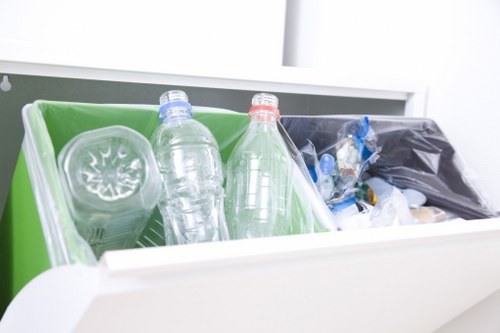 Risk assessment and planning are fundamental. Before any job commences a documented assessment identifies hazards and sets out controls. Typical hazards include manual handling injuries, slips and trips, sharp objects, electrical items, asbestos risk indicators and contaminated materials. Controls are proportionate and may include task rotation, lifting aids, designated walkways and clear segregation of recyclable and non-recyclable waste. A simple checklist is used onsite to confirm that controls are in place and that operatives understand site-specific issues.
Health and safety controls
Procedures for safe handling and material segregation are mandatory. PPE — gloves, hi-vis, safety boots and eye protection — must be worn where required. Where electrical or hazardous items are present, operatives follow isolation and lockout procedures and use insulated tools. Safe disposal routes are defined for batteries, IT equipment and chemical containers. The policy emphasises minimising manual handling through mechanical aids and team lifts, and prescribes safe stacking and storage to prevent collapse or falling items.
 Vehicle safety and transport arrangements are specified to protect drivers, loading staff and the public. Vehicles used for rubbish collection and office clearances are inspected daily, loads are secured to prevent shifting, and drivers follow safe reversal and parking procedures. Training covers loading best practice, weight distribution and the safe use of tail-lifts and ramps. Documentation accompanies loads where required, with manifest checks before departure to ensure traceability of commercial waste.
Emergency procedures are established for first aid, fire and spillage incidents. First aid kits are available on-site and operatives are briefed on emergency assembly points and reporting lines before work starts. Fire risk assessments address ignition sources during clearances and ensure suitable fire extinguishers are present. All incidents, including near misses, must be reported and investigated promptly to identify root causes and prevent recurrence.
Environmental controls and waste handling protocols support safe and compliant disposal. The policy promotes reuse and recycling where practical and mandates separation of materials to avoid cross-contamination. Hazardous items such as fluorescent tubes, solvents and certain electronics are handled and stored according to statutory guidance until they can be processed at authorised facilities. Records of disposal are kept to demonstrate responsible waste management across the service area.
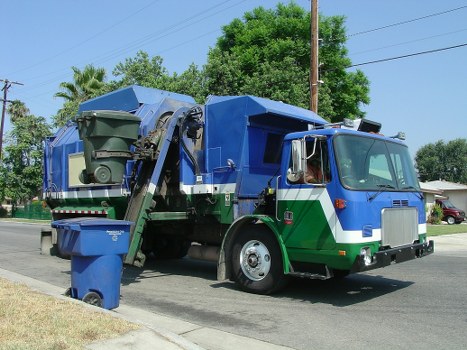 Contractor and subcontractor management is covered by a competency-based approach: only approved partners who can demonstrate appropriate safety performance are engaged. Toolbox talks, induction briefings and documented method statements ensure everyone on site understands their role. Audits and spot checks are used to confirm adherence to safe systems, and corrective actions are tracked until closure. Communication channels are kept open so that concerns are raised without fear of reprisal.
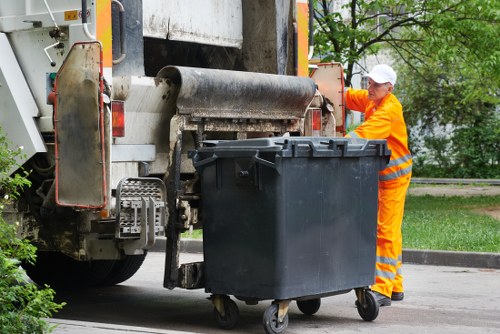 Monitoring, review and continuous improvement are integral. Regular inspections, performance metrics and incident trend analysis inform policy updates. Records, including training logs, inspection reports and waste manifests, are retained and made available for review by management. This policy is reviewed at least annually or sooner following significant change or an incident. Commitment to safety is reflected in practical measures: adequate resources, clear responsibilities and a culture that values safe working above speed.
Conclusion: This health and safety policy for office clearance and rubbish removal operations sets out clear expectations for safe behaviour, competence and environmental stewardship. It is supported by documented procedures, training and monitoring to ensure a consistent and responsible approach to every clearance project.
