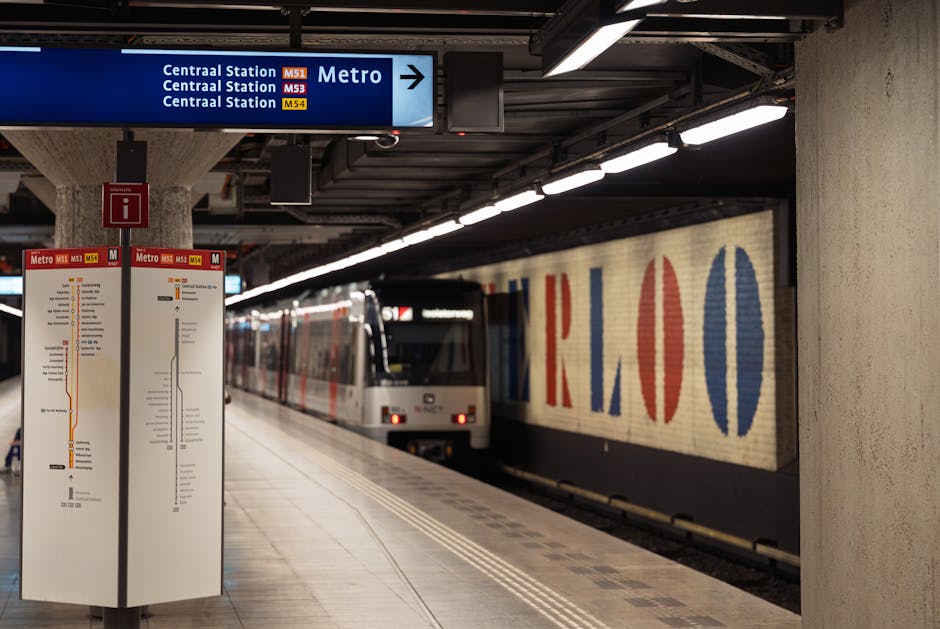
Waterloo Station: Fast Rubbish Removal Routes for Commuters
If you commute through Waterloo Station, you already know time is the real currency. One extra stop for a bag of broken furniture, a box of office clutter, or a pile of flat-clearance waste can feel like a small disaster when you are trying to get home, get to work, or make a connection. That is exactly why Waterloo Station: Fast Rubbish Removal Routes for Commuters matters: it is about choosing the quickest, least stressful way to move unwanted items out of your day and into a proper collection or disposal route.
This guide is built for people who need practical answers, not vague advice. You will learn which routes are fastest, how commuter-friendly rubbish removal works around Waterloo, what to do with bulky items, and how to avoid delays, fines, and awkward last-minute problems. If you are dealing with a one-off clear-out, a small office load, or a few items that are too much for normal bins, this article will help you plan the smartest next step.
Table of Contents
- Why Waterloo Station: Fast Rubbish Removal Routes for Commuters Matters
- How Waterloo Station: Fast Rubbish Removal Routes for Commuters Works
- Key Benefits and Practical Advantages
- Who This Is For and When It Makes Sense
- Step-by-Step Guidance
- Expert Tips for Better Results
- Common Mistakes to Avoid
- Tools, Resources and Recommendations
- Law, Compliance, Standards, or Best Practice
- Options, Methods, or Comparison Table
- Case Study or Real-World Example
- Practical Checklist
- Conclusion
- Frequently Asked Questions
Why Waterloo Station: Fast Rubbish Removal Routes for Commuters Matters
Waterloo is one of those places where the pace is constant. Trains, buses, foot traffic, deliveries, and office movement all stack up around the station. In that environment, rubbish removal has to be simple, predictable, and quick. A slow or poorly planned clear-out can turn into missed trains, blocked entrances, awkward carry distances, or waste sitting around longer than it should.
For commuters, speed is not just a convenience; it is the difference between something being dealt with today or becoming tomorrow's problem. A bag of waste is manageable. A bag plus a box plus a broken chair becomes inconvenient fast. If you are moving through central London with limited time, the best approach is usually to use a route that fits around your journey rather than forcing your journey around the rubbish.
The practical aim is simple:
- reduce time spent handling waste
- avoid unnecessary backtracking
- use the most direct collection or drop-off option
- keep bulky items out of busy pedestrian routes
- stay on the right side of building rules and local waste expectations
That is why commuters often look for flexible services such as local waste removal support in Waterloo or more specific services like furniture disposal when the item is too awkward to handle alone.
How Waterloo Station: Fast Rubbish Removal Routes for Commuters Works
The fastest rubbish removal route is rarely the one with the most options. It is usually the one that removes friction. Around Waterloo Station, that means thinking in terms of timing, load size, access, and collection method.
In practice, there are usually three broad routes commuters consider:
- Pre-planned collection - You book a removal slot and have items collected from home, the office, or a nearby property.
- On-route handling - You move small, manageable waste with you and drop it off or transfer it during a planned stop.
- Specialist clearance - You arrange help for bulky, mixed, or time-sensitive waste, such as a flat clear-out or office move.
The best route depends on what you are dealing with. A commuter carrying one bag of tidy recyclables has a very different need from someone clearing a storage cupboard, a workstation, or a single heavy sofa. For heavier or more awkward items, a service such as furniture clearance is often more sensible than trying to fit everything into a commute.
There is also a planning element that people often underestimate. The fastest route is not always the shortest walking route. Sometimes it is the route that gives you:
- easy loading and unloading access
- minimal waiting time
- clear communication about what is being removed
- confidence that the waste will be handled properly afterwards
For businesses near the station, the same logic applies. A team might need office clearance or business waste removal that happens before the morning rush or after the evening peak. In a station-heavy area, timing is half the battle.
Key Benefits and Practical Advantages
Fast commuter-focused rubbish removal is not just about saving time. It also helps keep life organised. That may sound obvious, but in a city setting the knock-on effects are real.
1. Less disruption to your day
You avoid dragging waste through crowded spaces or leaving it in a hallway, lobby, or office corner for longer than necessary. That matters when your day is already packed.
2. Better handling of bulky items
Some things simply do not suit public transport or a quick walk to a bin point. A mattress, desk, filing cabinet, or wardrobe needs a more deliberate route. For homes and shared flats, flat clearance or house clearance may be the cleaner solution.
3. Cleaner shared spaces
In a station-area building, waste can become a nuisance quickly. Hallways, bike stores, loading bays, and reception areas need to stay clear. Prompt removal helps keep the property usable and avoids complaints from neighbours or colleagues.
4. Better sorting and recycling outcomes
When waste is separated properly at the start, more of it can be diverted into suitable recycling or reuse streams. If you want to understand how a responsible provider thinks about that, see the approach outlined in their recycling and sustainability information.
5. More predictable costs and less wasted effort
Trying to do everything yourself may look cheaper at first, but once you factor in time, transport, parking, and the risk of multiple trips, the balance changes fast. If you need a quote, the dedicated pricing and quotes page is the sensible place to start.
Practical takeaway: the best rubbish removal route is the one that fits your schedule, protects access, and gets the load handled properly the first time.
Who This Is For and When It Makes Sense
This approach is most useful for people who need a waste solution that fits real commuting patterns, not a perfect Saturday morning. You may find it helpful if you are:
- a commuter carrying household clutter to a meeting or move-out point
- a tenant clearing a flat near Waterloo between train journeys
- an office worker trying to remove old chairs, monitors, or packaging
- a landlord or letting agent preparing a property turnover
- a small business owner with recurring mixed waste
- someone replacing furniture and needing the old items gone quickly
It also makes sense when the waste is awkward rather than abundant. Two broken shelves and a table base can be more troublesome than a few sacks of light rubbish because shape matters as much as volume. If the item is bulky, consider a service such as furniture disposal instead of trying to improvise.
For people dealing with property storage spaces, a loft clearance or garage clearance is often a better fit than piecemeal removal, especially if the contents have built up over months or years.
Step-by-Step Guidance
Here is a simple route to follow if you want to move waste efficiently without turning the process into a long side quest.
Step 1: Identify exactly what needs to go
Make a short list. Separate the load into furniture, general rubbish, recyclables, and anything that may need specialist handling. Mixed loads can still be removed, but clarity at the start saves time later.
Step 2: Decide whether the load is commuter-friendly
Ask yourself whether the items are small enough to move without causing delay or stress. If the answer is no, do not force it. That is the point where a planned pickup becomes the smarter route.
Step 3: Check access points and timing
At Waterloo, timing matters because access can be busy around peak travel windows. If your waste is leaving from a flat, office, or shared property, think about lift access, stairs, concierge rules, loading restrictions, and the time needed to move items out safely.
Step 4: Match the service to the waste type
A single sofa is not the same as a full office move. A few bags from a room clear-out are not the same as builders' debris. Matching the job to the right service keeps the process efficient. For renovation leftovers, builders waste clearance is usually the better fit than a general household move.
Step 5: Request a clear quote
Good quotes are specific. They should reflect the type of waste, access conditions, and collection requirements. If the provider asks a few practical questions, that is usually a good sign, not a nuisance.
Step 6: Prepare the load before collection day
Keep items together, remove personal belongings, and make sure paths are clear. If you are dealing with office waste, this is a good moment to clear drawers, label cables, and separate confidential material for secure handling elsewhere.
Step 7: Confirm what happens after collection
You want to know whether the waste will be reused, recycled, or disposed of appropriately. A transparent provider should be able to explain their process in plain English, and their about page should help you judge whether the service feels established and accountable.
Expert Tips for Better Results
Small decisions can save a surprising amount of time in a station-heavy area. These are the details that tend to make the biggest difference.
- Book around your commute, not against it. Early slots and off-peak windows are usually easier to manage.
- Group similar waste together. It helps with sorting and can make loading faster.
- Measure bulky items before you move them. A sofa that looks manageable in a room can be awkward at the door.
- Use the right service first. A flat move-out, an office refresh, and a garden clear each have different needs.
- Keep documentation handy. If waste transfer details or booking confirmations are needed, have them ready.
- Ask about insurance and safety procedures. This is especially useful where lifting, stairs, or shared access are involved. A good reference point is the provider's insurance and safety information.
One small but useful habit: put the items you are definitely keeping in a separate corner before you start. It sounds obvious. Then the day gets busy, and suddenly the "keep" pile is competing with the "remove" pile. Classic.
Common Mistakes to Avoid
Most delays in rubbish removal come from avoidable mistakes rather than bad luck. The good news is that once you know them, they are easy to fix.
Underestimating the size of the job
What starts as "just a few things" often becomes more. Once you open cupboards, storage spaces, or office corners, the true load appears. Build a little breathing room into your plan.
Leaving it until the last train window
Commuter schedules are unforgiving. If you only allow a narrow time slot, even a small delay becomes stressful. Give yourself margin.
Mixing incompatible waste streams
Not all waste should be handled the same way. Electrical items, furniture, mixed office clutter, and builders' debris may need different handling. If you are not sure, ask before collection day.
Ignoring access problems
Narrow stairs, loading restrictions, and controlled entry points can all add time. Share access details up front so the collection team can plan properly.
Choosing the cheapest option without checking the details
Low price is not always low hassle. Look at what is included, whether loading is covered, and how the provider handles recycling, disposal, and timing. A clear quote is often better than a vague bargain.
Forgetting the wider property context
Waste removal often sits inside a bigger project. Maybe you are moving, refurbishing, clearing a rented flat, or refreshing office space. That is why useful services often connect to home clearance and office clearance rather than treating everything as a one-off bag collection.
Tools, Resources and Recommendations
You do not need a warehouse full of gear to deal with rubbish efficiently, but a few simple tools help a lot.
- Sturdy bags or boxes for grouping light items
- Labels or tape to mark keep, remove, recycle, and donate piles
- Measuring tape for bulky items and access points
- Phone photos if you need to request a quote remotely
- Gloves for safe handling of rough or dusty materials
- Booking confirmation notes so collection day stays organised
For people handling heavier domestic projects, the most useful service pages tend to be the ones that match the property type. For example, a house clearance page is relevant if you are clearing a full property, while a flat clearance page is better for apartment and rental scenarios.
If you want to learn more about the company background, their Waterloo homepage can help orient you, while the contact page is the obvious next step if you need to discuss a time-sensitive job.
For readers comparing locations or looking at broader area coverage, related service hubs such as the Vauxhall site and the Wallington site show how different local clear-out needs can be handled within the same wider service structure.
Law, Compliance, Standards, or Best Practice
Waste handling in the UK comes with expectations around duty of care, safe handling, and proper disposal. You do not need to become a legal specialist to use a removal service, but you should expect a provider to behave responsibly and to explain what happens to the waste they collect.
At a practical level, best practice usually means:
- the waste is handled by a responsible operator
- items are not fly-tipped or passed on carelessly
- materials are separated where possible for reuse or recycling
- loading and lifting are managed safely
- collection arrangements are clear and documented
If you are arranging clearance for a business, especially near a busy station, you should also think about workplace safety, access control, and how the job affects staff and visitors. Provider pages such as health and safety policy and terms and conditions can be useful reading before you book.
For environmental expectations, it is reasonable to ask how a company sorts, reuses, or routes waste. You do not need a perfect promise. You do need a clear process. That is the difference between a polished website and a trustworthy service.
Options, Methods, or Comparison Table
Here is a straightforward comparison of common rubbish removal methods for Waterloo commuters. The right option depends on speed, convenience, and the type of waste you need to move.
| Method | Best for | Speed | Main downside |
|---|---|---|---|
| Self-moving on public transport | Very small, lightweight items | Fast if simple | Poor for bulky or messy waste |
| Local council-style disposal planning | Scheduled household items | Variable | Less flexible for urgent commuter schedules |
| Booked waste removal | Mixed, bulky, or time-sensitive loads | Usually efficient | Requires booking and clear details |
| Specialist clearance service | Flats, homes, offices, garages, lofts | Very efficient for larger jobs | Needs more upfront planning |
In most commuter cases, booked removal or specialist clearance wins because it saves time and reduces hassle. The same is true whether you are dealing with a single large item or a whole room. If the job involves storage spaces, see also loft clearance for a more targeted fit.
Case Study or Real-World Example
Picture a commuter who works near Waterloo and is moving out of a rented flat nearby. Over the course of a week, they have assembled a mix of small household waste, one old chair, packaging from a furniture delivery, and a box of items from a storage cupboard. None of it is huge on its own, but the full load is awkward enough that taking it by train would be clumsy and slow.
Instead of making several trips and trying to squeeze everything into a busy commute, they split the job into clear categories. The chair and packaging are set aside for furniture clearance and disposal, while the rest of the mixed household waste is treated as a standard removal job. The booking is arranged around an off-peak window, the access details are shared in advance, and the items are removed in one visit.
The result is not dramatic, and that is the point. No chaos, no repeated carrying, no waste sitting in the hallway for another week, and no need to re-plan the commute around a pile of clutter. For a busy traveller, that kind of quiet efficiency is a win.
Practical Checklist
Use this checklist before you book or move anything.
- Have I identified exactly what needs removing?
- Is any item bulky, heavy, sharp, or awkward to carry?
- Do I need a household, office, flat, or specialist service?
- Have I checked access routes, lifts, stairs, and loading points?
- Do I know what time window works best around my commute?
- Have I separated furniture, recyclables, and mixed waste where possible?
- Have I asked how the provider handles disposal and recycling?
- Do I have a clear quote or enough details to request one?
- Have I removed personal items, documents, or valuables?
- Do I know who to contact if access changes on the day?
If you can tick most of those off, you are already ahead of the curve.
Conclusion
Fast rubbish removal around Waterloo Station is really about working smart. The best route is the one that fits your schedule, respects the access constraints of a busy city location, and gets the waste handled properly without adding another layer of stress. For commuters, that means thinking ahead, matching the service to the load, and choosing a removal option that keeps your day moving.
Whether you are dealing with a single bulky item, a flat clear-out, office clutter, or a more involved household job, the right approach can save time and reduce hassle in a way that really matters when you are already on the clock. If you want a reliable next step, look at the most relevant service page, check the details, and book a time that works with your routine rather than against it.
Get a free quote today and see how much you can save.
If you are ready to talk through the job, the most direct next step is to use the contact page and share what needs removing, where it is, and when you need it gone.
Frequently Asked Questions
What is the fastest rubbish removal option for Waterloo commuters?
For most commuters, the fastest option is a pre-booked collection that matches your travel window. It avoids carrying waste through the station area and reduces the chance of delays.
Can I take bulky rubbish on the train from Waterloo?
You may be able to move small items, but bulky rubbish is usually awkward, slow, and impractical on public transport. Items like chairs, wardrobes, and large bags are better handled through a dedicated collection service.
What type of waste is best suited to a commuter-friendly removal route?
Light household waste, a few bags of clutter, furniture items, and small office clear-outs are common examples. If the load is mixed or heavy, a specialist clearance service is usually more efficient.
Is furniture clearance better than general rubbish removal?
It depends on the load. If your main problem is a sofa, desk, wardrobe, or similar item, furniture clearance is often the more suitable choice. General rubbish removal is better for mixed smaller waste.
How do I know whether I need a flat clearance or a house clearance?
If the property is an apartment or rental flat, flat clearance is usually the right fit. If you are clearing a full house or a larger multi-room property, house clearance is generally more appropriate.
Can office waste be removed near Waterloo during busy hours?
It can be, but it is usually easier to arrange around off-peak periods. Business waste removal and office clearance are often planned for times that minimise disruption to staff and visitors.
What should I do before collection day?
Group similar items together, remove valuables, clear access paths, and make sure you know what stays and what goes. A little preparation usually makes the whole job faster.
How do I compare removal services without wasting time?
Look at the type of waste they handle, the clarity of their pricing, access requirements, and how they describe recycling or disposal. A clear quote is often more useful than a cheap but vague one.
Are recycling and reuse part of a proper removal service?
They should be where possible. A responsible provider will usually explain how recyclable materials are separated and how reusable items are managed before disposal.
What if I only have one or two items to remove?
Even a small job can benefit from planning if the items are bulky or awkward. For light items, you may be able to manage it easily; for heavier pieces, furniture disposal is often the safer and simpler route.
How far in advance should I book rubbish removal near Waterloo Station?
As early as you can, especially if you need a specific time window. Commuter schedules, access restrictions, and busy periods can all make same-day arrangements harder.
Where can I find more information about the service provider?
The most useful pages are usually the about page, pricing information, and policy pages such as health and safety. Those pages help you judge whether the provider is transparent and well organised.