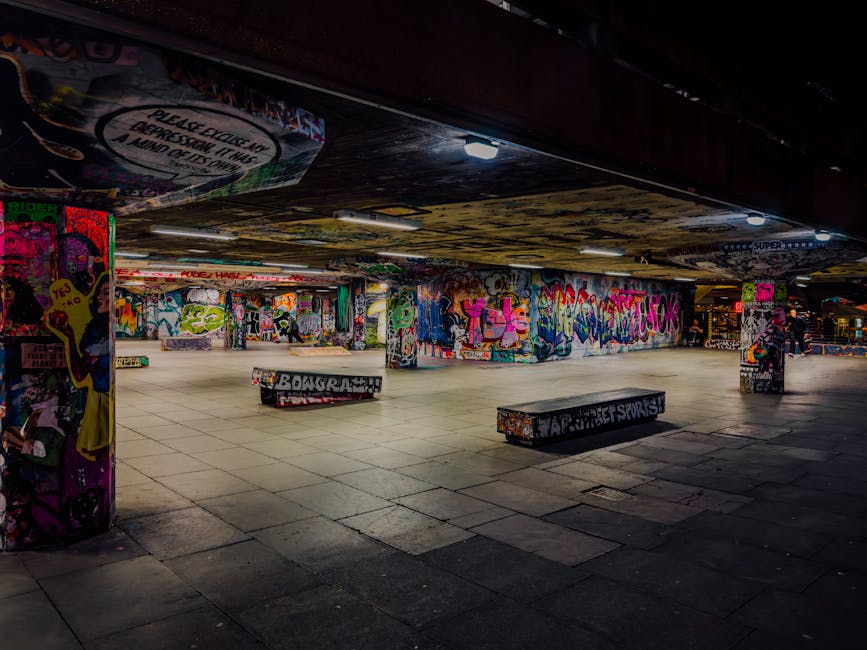
When an event wraps up near the Southbank Centre, the clean-up can feel bigger than the event itself. Bags of mixed rubbish, stacked packaging, broken display materials, leftover catering waste, and bulky items all need moving quickly, safely, and with as little disruption as possible. That is where Southbank Centre Clearance: Event Rubbish Solutions in Waterloo becomes more than a tidy-up job. It is a practical service for getting the space back to normal, protecting the venue environment, and making sure waste is handled properly from the start.
Whether you are organising a corporate reception, exhibition, public festival, brand activation, or a smaller community event, the clearance plan matters. The right approach saves time, reduces stress, and helps avoid last-minute problems in busy Waterloo streets. This guide explains how event rubbish solutions work, what to expect, what to avoid, and how to choose the most suitable clearance method for your event.
Quick takeaway: a good event clearance is planned before the first bin fills up. That sounds obvious, but in practice it is the difference between a smooth handover and a frantic scramble with black bags at closing time.
Table of Contents
- Why Southbank Centre Clearance: Event Rubbish Solutions in Waterloo Matters
- How Southbank Centre Clearance: Event Rubbish Solutions in Waterloo Works
- Key Benefits and Practical Advantages
- Who This Is For and When It Makes Sense
- Step-by-Step Guidance
- Expert Tips for Better Results
- Common Mistakes to Avoid
- Tools, Resources and Recommendations
- Law, Compliance, Standards, or Best Practice
- Options, Methods, or Comparison Table
- Case Study or Real-World Example
- Practical Checklist
- Conclusion
- Frequently Asked Questions
Why Southbank Centre Clearance: Event Rubbish Solutions in Waterloo Matters
Event rubbish is rarely just "rubbish". It is usually a mix of waste streams with different handling needs: cardboard, plastics, food waste, drinks packaging, printed materials, damaged props, cable ties, tableware, and sometimes bulky items like staging parts or temporary furniture. In a venue-heavy area such as Waterloo, that mix becomes even more important because collection access, loading times, and pedestrian flow can all affect how quickly waste can be removed.
For event organisers, clearance matters for three main reasons. First, it keeps the venue presentable during breakdown, which is especially important if the same area is being reset for another booking. Second, it reduces safety risks such as trip hazards, sharp packaging edges, and blocked exits. Third, it helps ensure waste is sorted and transferred responsibly rather than being dumped into the wrong container or left behind for someone else to deal with.
There is also a reputational angle. Guests notice whether an event feels organised. Staff notice it too. A clean, calm exit often says more about your operation than the event itself. If the final impression matters, the clearance stage is part of the event, not an afterthought.
For related support services in the area, it can also help to understand broader clearance options such as local waste removal services and business waste removal for ongoing venue, office, or hospitality needs.
How Southbank Centre Clearance: Event Rubbish Solutions in Waterloo Works
The process is usually straightforward, but the best results come from a structured approach. A reliable clearance service will normally begin with a quick discussion about the type of event, the likely waste volume, access conditions, timing, and any items requiring special handling. This is where details matter. A collection for a small networking event is very different from a post-festival clean-down with mixed bulky waste and dozens of bags.
Next comes the site plan. In Waterloo, that means thinking about where vehicles can wait, how the waste will be carried out, whether lifts or stair access are involved, and how to avoid disrupting guests, staff, or neighbouring businesses. For larger or more awkward loads, services that handle builders waste clearance can be relevant because event breakdown often produces the same kind of heavy, mixed debris: timber offcuts, fixtures, panels, and packaging.
Then the clearance itself takes place. The team removes the waste, separates reusable or recyclable material where possible, and loads everything for disposal or transfer. Depending on the event, that can include:
- general mixed rubbish and bin bags
- cardboard and packaging
- food and drink waste
- temporary furniture or display items
- broken signage, decor, or props
- office or business materials from corporate events
For organisers dealing with event furniture or temporary furnishings, it may also be worth looking at furniture clearance and furniture disposal so reusable items are handled properly and not simply treated as general waste.
Finally, responsible disposal matters. Good clearance operators do not just "take it away"; they should route waste to the right facilities and aim to divert recyclable material wherever feasible. If sustainability is part of your event brief, this is one area where planning pays off quickly.
Key Benefits and Practical Advantages
A well-run event rubbish solution does more than remove visible clutter. It improves the whole rhythm of the event close-down. Here are the most practical advantages.
- Faster turnaround: The venue can be handed back more quickly, which is crucial when bookings are back-to-back.
- Lower risk: Clear walkways, less lifting strain, and fewer hidden hazards during breakdown.
- Better presentation: Staff, clients, and venue managers see a professional finish rather than a messy exit.
- Improved sorting: Recycling opportunities are easier to capture when waste is handled in a structured way.
- Less pressure on your team: Event staff can focus on hospitality and handover instead of making repeated bin runs.
- Smarter use of space: Storage areas, service corridors, and loading zones stay usable during the clean-up.
There is also a practical advantage that often gets overlooked: predictability. If you know who is removing the waste, when they are arriving, and what they will take, the breakdown stops feeling like a guessing game. That calm, orderly finish matters more than people admit.
For events that leave behind more domestic-style clutter, such as temporary accommodation or hospitality staff areas, services like flat clearance and home clearance can be useful references for handling mixed contents with care.
Who This Is For and When It Makes Sense
This kind of clearance is relevant to a wide range of people, not just large-scale event planners. If your job involves setting up, running, or winding down an event near the Southbank Centre, chances are you will benefit from a dedicated waste plan.
Common users of event rubbish solutions
- event managers and producers
- conference and exhibition organisers
- venue operations teams
- marketing and brand activation agencies
- caterers and hospitality providers
- stage, set, and production crews
- charities running fundraising or public engagement events
- property teams preparing temporary spaces
It makes sense when there is more waste than can reasonably be dealt with by regular bins, or when the event creates awkward items that do not fit normal collection routes. It also makes sense when timing is tight. If you have only a narrow window to clear the space before the next booking, a coordinated collection can save the day.
For businesses that run repeated events, a recurring waste plan may be more efficient than booking one-off ad hoc collections. In that case, a page like office clearance can be helpful for understanding how larger commercial clean-outs are coordinated, especially if the event uses office-style equipment or pop-up workspaces.
Step-by-Step Guidance
If you are planning an event clearance in Waterloo, the process becomes much easier when you break it down. Think of it like the final stage of event production rather than an emergency task.
- Estimate the likely waste mix. List bags, boxes, food waste, packaging, display pieces, and any bulky items.
- Identify special items early. Check for anything that needs careful handling, such as electricals, sharps, or reusable equipment.
- Confirm access details. Note loading bays, lift access, entrance restrictions, and any time limits.
- Separate waste on site. Keep recyclables and general rubbish apart where practical. It saves time later.
- Choose the right collection window. Breakdown often works best after guests leave but before final venue reset deadlines.
- Brief the event team. Everyone should know where waste goes and who is responsible for what.
- Arrange the removal. Book a service that can match your volume, timing, and access needs.
- Walk the site at the end. Check corners, storage spaces, under tables, and service areas. The oddest things always hide in the strangest places.
If your event involves outdoor spillover areas or temporary green spaces, related services such as garden clearance may be useful for dealing with plant waste, broken outdoor decor, or debris from temporary installations.
A sensible approach is to treat clearance as part of the event schedule. Build it into the run sheet, assign ownership, and keep the timing realistic. That one habit removes a lot of post-event chaos.
Expert Tips for Better Results
Small decisions make a big difference. In our experience, the best event clearances are rarely the most dramatic; they are the most prepared.
Plan for the waste you do not see at first glance
It is easy to count bin bags and forget about signage, cable wrap, broken packaging, gaffer tape, and leftover consumables. Add a little buffer into your estimate so you are not caught out.
Use staging zones
Set aside one area for general waste, one for recycling, and one for items to be checked or reused. Even a simple three-zone layout can prevent cross-contamination and make the collection faster.
Keep heavier items near the exit
If furniture, pallets, or display units need removing, place them where loading is easiest. It sounds obvious, but moving heavy items twice is the sort of mistake that turns a tidy end-of-day into a sore back and a long evening.
Ask about recycling routes
If sustainability is part of your brand, ask how the provider separates recyclable materials. You do not need a lecture, just a clear answer and a practical approach. A reputable operator should be comfortable discussing recycling and sustainability in plain English.
Match the service to the job
For a few bags and some cardboard, a light-touch collection may be enough. For large event teardown, you may need a more robust waste removal plan. Using the right-sized service is usually cheaper and cleaner than forcing the wrong one to do too much.
Common Mistakes to Avoid
Even well-run events can slip up on the clean-up side. The problems are usually predictable, which is good news because that means they are avoidable.
- Leaving booking too late: Event waste should be arranged before breakdown begins, not after.
- Underestimating volume: Packaging and consumables add up quickly.
- Ignoring access limits: A service that cannot reach the waste efficiently will slow everything down.
- Mixing everything together: Once recyclable and general waste are blended, sorting becomes harder.
- Forgetting bulky items: Chairs, plinths, screens, and temporary shelving often need separate handling.
- Assuming venue staff will manage it all: They may help with process, but the responsibility usually sits with the organiser unless otherwise agreed.
- Skipping a final sweep: Small items left behind can cause complaints or extra charges later.
Another common issue is poor communication between the event team and the clearance team. If one side thinks the load is small and the other expects a full van, someone is going to be disappointed. A quick pre-event call solves a lot.
Tools, Resources and Recommendations
For most events, you do not need complicated systems. You need practical tools and a tidy method.
- Clearly labelled bins or sacks: Helps separate recyclables, general waste, and food waste where appropriate.
- Trolleys or sack trucks: Useful for moving heavier bags or boxes safely.
- Gloves and simple PPE: Basic protection helps staff handle sharp or dirty material.
- Box cutters and tape: Good for breaking down packaging efficiently.
- Checklist sheets: Keeps the team aligned during teardown.
- Loading plan: A simple map of where waste should be staged can save repeated lifting.
For broader property or venue projects, you may also need complementary services such as garage clearance for storage areas, loft clearance for overstocked back rooms, or house clearance where event materials are being cleared from residential setups or private hire spaces.
If you are still pricing the job or comparing options, the most helpful next step is usually a transparent quote. You can review pricing and quotes to understand how costs are typically approached and what information helps speed up an accurate estimate.
Law, Compliance, Standards, or Best Practice
Event waste handling in the UK should always be approached with care, especially where commercial premises, public access, and mixed waste streams are involved. The exact responsibilities will vary depending on the event, the venue agreement, and the type of waste being generated. Because of that, the safest approach is to follow established best practice and confirm any specific obligations with the relevant parties.
As a general rule, waste should be handled responsibly, kept secure, and passed to an appropriate, licensed route where required. If you are dealing with electrical items, confidential material, or items that may be reused, extra care is sensible. For anything uncertain, ask the provider how it is managed rather than assuming.
It is also wise to look at insurance, safety, and terms before booking. A professional service should be able to explain how it works, what is included, and how access or liability issues are handled. The pages on health and safety policy, insurance and safety, and terms and conditions can help set expectations before work begins.
Best practice also includes respecting the venue, neighbouring businesses, and public walkways. Waterloo is busy. That means clear communication, tidy loading, and sensible timing are not luxuries; they are part of doing the job properly.
Options, Methods, or Comparison Table
There is more than one way to handle event rubbish. The right option depends on volume, timing, item type, and how much of the work you want to manage in-house.
| Method | Best for | Strengths | Limitations |
|---|---|---|---|
| In-house bin management | Very small events with light waste | Simple, low coordination | Can become messy quickly; limited capacity |
| Ad hoc waste collection | Moderate waste with flexible timing | Convenient for one-off jobs | May not suit bulky items or tight turnaround |
| Dedicated event clearance | Large or time-sensitive breakdowns | Fast, structured, less pressure on staff | Requires planning and clear access details |
| Mixed commercial clearance | Events with furniture, office kit, or display stock | Good for varied loads and reusable items | Needs good sorting and clear instructions |
For many Southbank-area events, a dedicated clearance is the sweet spot. It gives you control without making your staff do all the heavy lifting. Literally.
Case Study or Real-World Example
Imagine a mid-sized corporate event held near the Southbank Centre. The team has a reception area, a presentation room, and a small breakout space. By the end of the evening, the site contains cardboard packaging from branded displays, food waste from catering, stacked folding chairs, damaged signage, and a few reusable items that need to go back to storage rather than disposal.
Without a plan, the breakdown would likely look like this: staff carrying bags in multiple directions, recyclables mixed with general rubbish, and someone spending the last 20 minutes hunting for loose items under tables. Not ideal.
With a proper event rubbish solution, the team does it differently. Waste is separated during the event. Bulky items are grouped near the loading point. The clearance crew arrives on schedule, removes the waste efficiently, and the venue is handed back clean and ready. The organiser gets out on time, and the final impression is professional rather than rushed.
That is the real value here. The service is not just about removal. It is about reducing friction at the end of a demanding day.
Practical Checklist
Use this checklist before the event ends so the clearance runs smoothly.
- Confirm the likely waste volume and item types
- Identify any bulky or awkward items early
- Check access routes, loading times, and lift availability
- Separate recyclables from general rubbish where possible
- Set aside reusable items for collection or storage
- Brief the event team on waste zones and responsibilities
- Book a clearance window that fits the breakdown schedule
- Confirm insurance, safety, and any venue requirements
- Make sure the final sweep includes corners, service areas, and under furniture
- Keep contact details handy in case the schedule shifts
If the event is part of a wider move, refresh, or relocation project, you may also need support from pages such as about us to understand the team behind the service, or contact us to discuss access, timing, and the most practical next step.
Conclusion
Southbank Centre events demand precision, and the clean-up phase is no exception. The best event rubbish solutions in Waterloo are the ones that reduce disruption, support recycling where practical, and give organisers a clean handover at the end of a busy day. Whether you are dealing with packaging, food waste, furniture, or mixed teardown debris, a planned clearance approach saves time and makes the whole operation feel more professional.
The key is simple: estimate early, sort sensibly, book the right support, and do not leave the final clear-down to chance. That little bit of planning can remove a surprising amount of stress.
Get a free quote today and see how much you can save.
Frequently Asked Questions
What does event rubbish clearance near the Southbank Centre usually include?
It usually covers mixed event waste such as bin bags, packaging, cardboard, food waste, temporary decor, signage, and bulky items that are no longer needed after breakdown. The exact scope depends on the event setup.
How far in advance should I book an event clearance in Waterloo?
The earlier the better, especially for events with fixed breakdown windows or limited access. Booking ahead helps match the collection time to your venue schedule and avoids last-minute pressure.
Can event waste be separated for recycling?
Yes, and it is often worth doing. Cardboard, clean plastics, and some packaging materials may be separated where practical. A good provider should be able to explain how recyclable material is handled.
Is this service suitable for small private events as well as large venue bookings?
Yes. Smaller gatherings may only need a limited collection, while larger events often require a more structured clearance plan. The service should fit the size and complexity of the job.
What happens to bulky items like chairs or display stands?
Bulky items are usually collected separately or loaded alongside other waste if the service is equipped for it. Some reusable items may be better handled through furniture-focused services rather than general disposal.
Do I need to sort the rubbish before collection?
Some sorting is helpful and can make the collection faster, but the level of separation depends on the service and the type of waste. It is always worth asking what preparation is recommended.
How do I know if I need a waste removal service or a more specific clearance?
If your waste is mostly mixed rubbish, a general waste removal service may be enough. If you also have furniture, office items, or storage overflow, a more specific clearance page may be more suitable.
Are there safety considerations during event breakdown?
Yes. Clear walkways, proper lifting, basic protective equipment, and good communication all matter. Waste handling should not create trip hazards or block exits, especially in busy venues.
Can clearance be arranged for events that finish late in the evening?
Often, yes, provided the access arrangements, venue rules, and collection timing work together. Late collections should be agreed in advance so the team can plan properly.
What if I am clearing an event space that also includes office or business materials?
That is common in corporate and brand events. In those cases, business-oriented services such as office clearance or business waste removal may be useful because they are better suited to mixed commercial contents.
How can I keep costs under control for event rubbish removal?
Estimate volume accurately, separate reusable or recyclable items, choose the right service size, and provide clear access details. The more precise the brief, the less likely you are to pay for avoidable delays or excess handling.
Where can I learn more about the provider before booking?
It helps to review service information, safety details, and company background before confirming anything. Pages covering insurance, safety, sustainability, and pricing are a good place to start.