Leake Street Clean-Ups: Graffiti and Rubbish Options, Waterloo
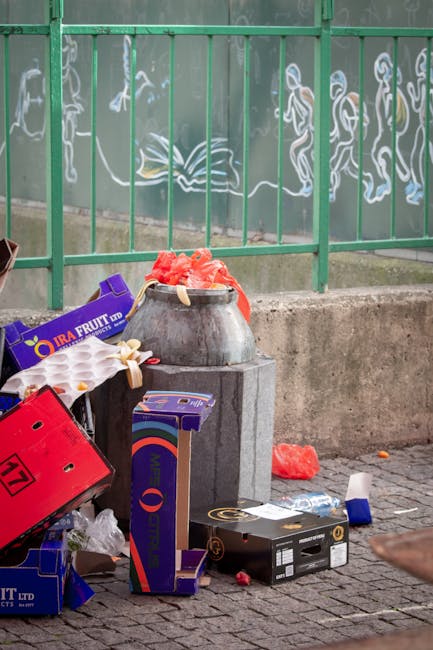
Leake Street has a certain energy about it. The tunnel walls change, the footfall is steady, and the area can look brilliant one hour and a bit neglected the next. That is part of the charm, but it also means clean-ups need to be planned properly. If you are looking at Leake Street clean-ups: graffiti and rubbish options, Waterloo, you are probably dealing with one of three situations: fresh graffiti that needs tidying, litter and fly-tipped waste building up, or a broader clearance after an event, works, or a busy weekend.
There is no one-size-fits-all fix here. Graffiti removal, rubbish clearance, and general tidying each need a slightly different approach. Some surfaces can be cleaned carefully and quickly. Others need a softer touch. Some waste can be removed in a single visit, while other jobs need sorting, loading, and responsible disposal. The good news? With the right plan, the area can be brought back to a cleaner, safer, more welcoming state without turning a simple job into a headache.
This guide breaks down the options in plain English, from what tends to be involved to the practical choices that make the most sense for Waterloo and the wider South Bank area. If you are arranging clearance for a property, a business, or a managed public-facing space, it also helps to understand how local waste services fit into the bigger picture. For broader support, you may find the main waste removal service useful, along with the company's recycling and sustainability approach when you want disposal handled responsibly.
Table of Contents
- Why Leake Street Clean-Ups: Graffiti and Rubbish Options, Waterloo Matters
- How Leake Street Clean-Ups: Graffiti and Rubbish Options, Waterloo Works
- Key Benefits and Practical Advantages
- Who This Is For and When It Makes Sense
- Step-by-Step Guidance
- Expert Tips for Better Results
- Common Mistakes to Avoid
- Tools, Resources and Recommendations
- Law, Compliance, Standards, or Best Practice
- Options, Methods, or Comparison Table
- Case Study or Real-World Example
- Practical Checklist
- Conclusion
- Frequently Asked Questions
Why Leake Street Clean-Ups: Graffiti and Rubbish Options, Waterloo Matters
Leake Street is not a sleepy back lane. It is a visible, high-traffic part of Waterloo, and that changes everything. A small patch of rubbish or a tagged wall can have a bigger effect here than it might in a quieter street. People notice it. Businesses notice it. Residents notice it. And to be fair, so do visitors taking photos, waiting for a train, or heading across the South Bank.
Clean-ups matter for more than appearances. They affect how safe an area feels, how well it is used, and whether it looks managed or ignored. A clean, orderly space sends a very different message from one with loose debris, broken items, or graffiti left to sit for too long. You do not need perfection. You do need a sensible standard.
There is also a practical side. Graffiti can sometimes spread if it is left too long. Rubbish can attract more rubbish. It sounds obvious, but that is how messy spots often grow into larger problems. One bag here, one bottle there, then a corner starts to feel forgotten. Prevention is easier than a full reset.
If the clean-up is linked to a business frontage, storage area, flat entrance, or office premises nearby, the impact on first impressions can be immediate. In those cases, it is worth looking at services that fit the setting, such as business waste removal in Waterloo or, for work-related premises, office clearance. Different spaces need different handling, and the wrong method can create more work later. Nobody wants that, obviously.
How Leake Street Clean-Ups: Graffiti and Rubbish Options, Waterloo Works
The process usually starts with a simple assessment. What needs to be removed? Is the issue graffiti, loose waste, bulky items, or a mix of everything? Is it a one-off tidy-up, or does the area need repeated attention? These details matter because the method changes depending on surface type, access, and waste volume.
For graffiti, the surface is the first big question. Brick, painted metal, concrete, timber, and stone all react differently. A solvent that works well on one finish may damage another. That is why careful testing and the right technique matter more than speed. Sometimes a controlled wash or specialist remover is enough. Sometimes a repaint or surface treatment is the smarter route.
For rubbish, the main steps are normally sorting, loading, and disposal. That may sound straightforward, but real jobs often include mixed waste: food packaging, broken signage, old furniture, loose building debris, or discarded items left after an event. When materials are mixed, they need separating where possible so recyclable items do not end up in the wrong stream. That is where a proper clearance service can save time and reduce hassle.
In many cases, the clean-up also needs to work around access. Leake Street can be busy, narrow, and awkward at certain times of day. The best approach is often one that keeps disruption low, works efficiently, and handles waste off-site without leaving the area half-finished. Simple enough in theory. Slightly less simple in practice, as anyone who has tried to manoeuvre bins, brushes, and bags through a crowded London spot will know.
For heavier or awkward waste, it can help to think beyond a standard tidy-up. If the job includes construction residue, plaster, packaging, timber offcuts, or post-refurbishment debris, then builders waste clearance may be the better fit. If there are discarded household items or mixed contents from nearby premises, a home clearance or house clearance style approach may be more appropriate.
Key Benefits and Practical Advantages
A good clean-up does more than make the place look tidy for a few hours. It creates momentum. Once the area is cleared and the graffiti is dealt with properly, maintaining it becomes easier. You are not fighting against the same build-up every week.
Here are the main benefits people usually care about:
- Better presentation: a cleaner street, frontage, or entrance feels more cared for.
- Lower visual clutter: less rubbish means less distraction and less chance of the area feeling neglected.
- Improved usability: people are more likely to use, pass through, or support a space that looks maintained.
- Reduced follow-on mess: quick action can stop a small issue turning into a bigger one.
- More efficient disposal: mixed waste can be handled in one organised visit rather than several rushed trips.
- Better recycling outcomes: reusable or recyclable materials can be separated where suitable.
There is also a soft benefit that is easy to underestimate: peace of mind. If you are responsible for a space, even a small one, knowing it has been properly dealt with can take a weight off your shoulders. Not glamorous, maybe, but very real.
And if the job involves items that are no longer wanted but still usable, it is worth checking whether certain things should be moved through furniture disposal or a broader furniture clearance route rather than simply treating everything as general rubbish. A little thought at the start can save waste, time, and money later on.
Who This Is For and When It Makes Sense
This kind of clean-up is not only for property managers, although they are often the people dealing with it. It makes sense for a fairly wide range of readers.
You may need it if you are:
- a local business owner trying to keep a frontage presentable
- a landlord or agent handling a post-tenant mess
- a facilities manager responsible for a visible public-facing area
- an event organiser clearing away leftovers after activity nearby
- a homeowner or resident dealing with fly-tipping close to a property
- a contractor finishing work and needing the area restored
It also makes sense when the mess is more than you want to tackle alone. A bit of graffiti might be manageable with the right products and patience. A mixed pile of rubbish, broken items, and unknown waste is another story. Truth be told, that is where many people decide to call in help.
Timing matters too. A job done early in the day before the area gets busy is often more practical than waiting until things have piled up. If access is through a shared building, you may need to plan around residents or staff. If it is a commercial setting, you may need a discreet visit. Small details, but they make a difference.
Step-by-Step Guidance
If you are deciding how to approach a Leake Street clean-up, this is a sensible order to follow.
- Identify the waste type. Is it graffiti only, loose rubbish, bulky waste, or a mix?
- Check the surface or setting. Brick, painted surfaces, shopfronts, signage, railings, and paving all need different care.
- Separate what can be reused or recycled. Not everything belongs in general waste.
- Think about access. Can a vehicle stop nearby? Is there space for loading? Are there time restrictions?
- Choose the right method. Spot cleaning, full clearance, waste collection, or a combination may be best.
- Handle disposal properly. Waste should be removed in line with accepted UK practice and taken to the right facility.
- Check the finish. After the area is cleared, make sure the result is tidy and safe, not just "good enough".
If you are working around a larger tidy-up, it can help to coordinate nearby spaces at the same time. For example, a building entrance might benefit from a quick internal declutter alongside the external clean-up. In that case, services such as flat clearance, loft clearance, or garage clearance can be useful if the waste has spilled beyond the immediate street area.
One small but practical point: do not leave sorting until the very end. Waste piles have a way of growing once you start moving things around. Better to decide what stays, what goes, and what needs specialist handling before you begin lifting.
Expert Tips for Better Results
Good clean-ups are not only about effort. They are about judgement. A few practical habits can make the outcome much better, and usually with less stress.
- Test cleaning methods on a small area first. This is especially important for graffiti removal on older or delicate surfaces.
- Work from the cleanest zone outward. It sounds basic, but it helps avoid dragging dirt back onto already-treated areas.
- Use the right containment for loose waste. Windy conditions around open streets can make light litter surprisingly annoying. Bags fly. Things scatter. Everyone sighs.
- Plan for hidden waste. A visible pile is rarely the whole story. Check behind barriers, under ledges, and in corners.
- Prioritise safety over speed. Gloves, suitable footwear, and sensible manual handling are not optional extras.
- Schedule repeat checks. For busy public areas, one clean-up may solve today's problem, but not next week's.
Another useful habit is to decide early whether the job is mainly about appearance or mainly about waste removal. Those are related, but not the same. If the aim is visual improvement, graffiti treatment may take priority. If the goal is restoring access or clearing hazards, then rubbish removal and safe disposal come first.
Where waste is recurring, it can help to work with a provider that understands broader clearance needs. Some customers pair one-off clean-ups with ongoing support through business waste removal or, when premises are changing hands, more comprehensive home clearance or office clearance services. That tends to make life easier, frankly.
Common Mistakes to Avoid
Most clean-up problems are avoidable. The tricky bit is that the mistake often looks harmless at first.
- Using the wrong graffiti remover. A product that works fast can still damage paint, sealant, or porous brick.
- Mixing all waste together. That makes recycling harder and can create disposal issues.
- Ignoring access constraints. Narrow lanes, service entrances, and busy pedestrian times can slow everything down.
- Leaving hazardous items in the pile. Sharp objects, unknown liquids, or heavy broken items need extra care.
- Assuming one visit will solve ongoing littering. If the source of the problem remains, the mess will return.
- Skipping a proper finish check. A job can look done while still leaving residue, splinters, or small rubbish behind.
A common one is overconfidence. Someone sees a small patch of graffiti or a modest pile of waste and thinks, "easy." Then the hidden bits appear. The paint lifts. The bin bag splits. A broken frame turns out to be heavier than expected. Happens all the time.
That is why careful planning usually beats a rushed "let's just get it gone" approach.
Tools, Resources and Recommendations
The right tools depend on the task, but a clean-up around Leake Street generally benefits from a mix of protective kit, removal tools, and a disposal plan. You do not need a van full of fancy gear, though. Usually, what matters most is using the right item at the right time.
| Need | Useful tools or resources | Why it helps |
|---|---|---|
| Graffiti removal | Surface-appropriate cleaner, soft cloths, scrapers used carefully, test patch materials | Reduces the risk of damage and helps achieve a cleaner finish |
| Rubbish clearance | Heavy-duty sacks, gloves, bins, loading equipment, vehicle access | Makes sorting and removal quicker and safer |
| Mixed waste | Separate containers for recyclables, general waste, and bulky items | Supports better disposal outcomes |
| Planning and quotes | Clear photos, item list, access notes, timing information | Helps get a more accurate quote and avoids surprises |
| Safety and confidence | Insurance information, health and safety policies, clear terms | Useful when the work involves public-facing or awkward spaces |
For anyone comparing providers, a good starting point is to look at transparent information. The company's pricing and quotes page can help with budgeting, while health and safety guidance and insurance and safety details are useful when the work has any public or site-access element.
If a job involves odd locations, awkward items, or waste you would rather not touch yourself, that is usually a sign to bring in support. No shame in that. In fact, it is often the sensible option.
Law, Compliance, Standards, or Best Practice
For graffiti and rubbish clean-ups in Waterloo, the main thing is to use responsible, lawful waste handling and to avoid damaging property or creating a hazard. Exact obligations can vary depending on who owns the space, what the waste contains, and whether the area is private, shared, or public-facing.
In practical terms, the safest approach is to follow recognised UK best practice:
- treat unknown waste cautiously
- separate recyclable items where possible
- dispose of rubbish through appropriate channels
- use suitable cleaning methods for the surface type
- protect workers and passers-by during the job
If the waste includes hazardous or potentially contaminated items, extra care is needed and specialist handling may be appropriate. Likewise, if the area is part of a managed building or business site, you may need to work around access rules, tenant arrangements, or internal procedures. That is why it helps to choose a provider with clear policies, not just a van and a promise.
It can also be worth checking the service terms before booking. The terms and conditions page, along with the complaints procedure, gives a clearer picture of how the service is managed if something needs attention. And if you are comparing providers, the about us page is often a good place to judge whether the business feels established and straightforward.
Options, Methods, or Comparison Table
Not every Leake Street clean-up needs the same type of response. Here is a simple comparison of the main approaches.
| Option | Best for | Strengths | Limitations |
|---|---|---|---|
| Targeted graffiti cleaning | Fresh tags, smaller markings, surface-safe removal | Fast, controlled, less disruptive | May not suit older or deeply etched staining |
| Full rubbish clearance | Litter, fly-tipping, mixed waste, bulky discarded items | Clears the whole area in one go | Needs proper sorting and access planning |
| Combined clean-up | Spaces with both graffiti and rubbish issues | Efficient, practical, often best value | Requires a wider scope and slightly more coordination |
| Ongoing waste management | Locations where mess keeps returning | Prevents build-up, supports consistency | Needs routine scheduling |
For smaller loads or scattered items, you may only need a simple pickup. For larger mixed contents, a service closer to furniture clearance or even garage clearance may be more efficient if the waste includes awkward bulky objects. A one-size approach is rarely the best one, despite how tempting that sounds.
Case Study or Real-World Example
Imagine a small commercial space near Leake Street with fresh graffiti on a side wall and a scattered pile of rubbish near the rear access point. Nothing dramatic, but enough to make the place look tired. The owner wants it sorted before the weekend rush.
A sensible clean-up would probably begin with a site check. The wall might need a careful test clean because the surface is painted brick. The rubbish might include packaging, broken display material, and a couple of awkward bulky items. Rather than trying to deal with everything as one generic mess, the better plan is to separate the tasks.
The graffiti is treated first using a surface-appropriate method, with a small test patch to avoid stripping the finish. The rubbish is then bagged, sorted, and removed for proper disposal. Recyclable material is separated out where possible. If there are larger items from the interior or storage area, those could be handled through a focused clearance route, such as furniture disposal or furniture clearance.
The result is not just a neater space. It feels manageable again. That is the real win. Less visual noise, less mess, less lingering stress. And if you have ever stood outside a property at 8:15 in the morning thinking, "Right, this needs sorting today," you will know how good that feels.
Practical Checklist
Use this checklist before booking or starting a clean-up.
- Identify whether the job is graffiti, rubbish, or both
- Note the exact location and access conditions
- Take photos of the area from a few angles
- List any bulky, sharp, or unusual items
- Check whether surfaces are delicate, painted, or porous
- Separate obvious recyclables from general waste
- Decide if timing needs to avoid peak footfall
- Confirm disposal and recycling expectations
- Review safety, insurance, and service terms
- Plan for follow-up if the problem is likely to return
Quick summary: the best clean-up is usually the one that matches the surface, the waste type, and the access conditions rather than forcing everything into the same process. That small bit of planning makes the whole thing smoother.
Conclusion
Leake Street clean-ups are really about balance: keeping the area looking sharp without overcomplicating the job, and clearing rubbish without cutting corners on safety or disposal. In a place as visible and active as Waterloo, that balance matters. A good result is not only clean. It is practical, tidy, and sustainable enough to hold up after the dust settles.
If you are dealing with graffiti, rubbish, or a mixed clearance problem around Leake Street, the smartest next step is usually to assess the surface, the waste, and the access first. Then choose the clean-up method that fits, not the one that sounds quickest on paper. That is the bit people often skip, and then regret later.
For clearer pricing, a better idea of what is involved, and a straightforward way to get help, it is worth speaking with a local service that understands Waterloo's pace and access challenges. Get a free quote today and see how much you can save.
Sometimes a cleaner space is just a cleaner space. Other times, it feels like getting the whole place back on your side again.
Frequently Asked Questions
What counts as a Leake Street clean-up?
It usually refers to removing graffiti, litter, fly-tipped rubbish, or mixed waste from the Leake Street area in Waterloo. Depending on the site, it may also include bulky item removal and surface cleaning.
Can graffiti be removed from all surfaces?
Not always. Some surfaces respond well to cleaning, while others may be too porous, painted, or delicate. In those cases, the safest option may involve a different cleaning method or surface treatment.
Is rubbish clearance different from graffiti removal?
Yes. Graffiti removal focuses on the marked surface, while rubbish clearance deals with collecting, sorting, and disposing of waste. Many jobs need both, but they are handled differently.
How do I know if I need a one-off clean-up or ongoing waste removal?
If the mess is a single incident, a one-off clean-up is often enough. If litter or dumping keeps returning, a regular waste management plan may be more effective.
What should I do before booking a clean-up service?
Take photos, note access details, list any bulky or unusual items, and decide whether the main issue is graffiti, rubbish, or both. That makes quoting and planning much easier.
Can furniture or bulky items be removed as part of the job?
Often yes, depending on the provider and the item type. Large items may be better handled through dedicated furniture disposal or clearance services if they are part of a wider waste load.
What if the area has both building waste and rubbish?
Then a combined approach is usually best. For example, builders waste clearance may be more suitable if the waste includes rubble, timber, or renovation debris.
How do I choose a trustworthy clearance provider?
Look for clear service information, transparent pricing, safety guidance, insurance details, and straightforward contact options. Pages such as insurance and safety and contact us can help you judge that quickly.
Is recycling usually part of waste clearance?
It should be where possible. Responsible providers generally separate recyclable materials from general waste and follow sensible disposal practices. The exact mix depends on what is collected.
How quickly can a clean-up be arranged in Waterloo?
That depends on the size of the job, access, and availability. Smaller, straightforward clearances can often be arranged faster than larger mixed-waste jobs, especially if photos and details are provided up front.
Will a clean-up stop the problem coming back?
Not by itself. It improves the area immediately, but repeat issues may need follow-up maintenance, better waste control, or changes to access and storage. Prevention matters as much as removal.
What is the best next step if I am not sure what service I need?
Start with a quick assessment of the area and contact a local provider with photos and a short description. If the job turns out to include mixed waste, office items, or domestic contents, related services such as waste removal, flat clearance, or house clearance may be more suitable.
Do I need to worry about safety and access issues?
Yes, especially in a busy area like Waterloo. Narrow access, public footfall, sharp waste, or awkward loading points can all affect the job. It is worth reviewing health and safety information before booking.
Where can I learn more about the company behind the service?
You can read more on the about us page. If you want to compare service scope or arrange a job, the main site and the pricing and quotes page are useful starting points.