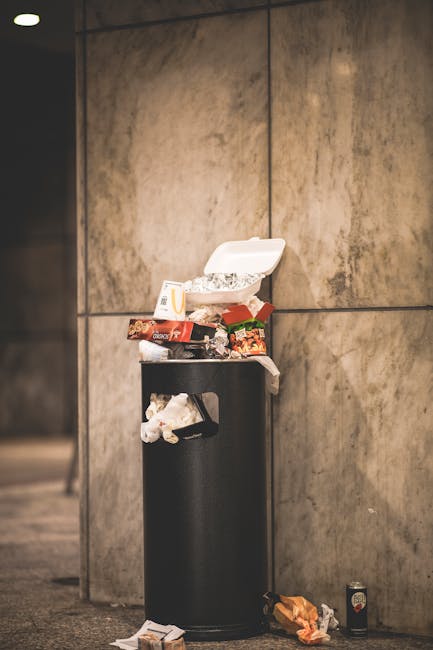
Lambeth Council Rubbish Rules: What Waterloo Must Know
If you live, work, rent, or manage a property in Waterloo, rubbish rules can feel oddly specific for something so everyday. One missed collection day, one black bag left in the wrong place, and suddenly the pavement looks messy, neighbours are annoyed, and you may be wondering what Lambeth Council actually expects. This guide to Lambeth Council Rubbish Rules: What Waterloo Must Know breaks the topic down in plain English, with practical steps, local context, and a few hard-won pointers that save time and hassle.
Truth be told, most problems are not dramatic. They're small things: putting bags out too early, mixing bulky waste with general rubbish, leaving items where they block access, or assuming "someone else will sort it." In a place like Waterloo, where flats, offices, managed buildings, and shared entrances are common, those small mistakes add up quickly.
Below, you'll find how the system works, what to watch for, and how to handle larger clearances without stepping on the wrong side of the rules. If you need a broader rubbish or clearance solution, you may also want to look at our waste removal support and our recycling and sustainability approach for a more responsible way to deal with unwanted items.
Table of Contents
- Why Lambeth Council rubbish rules matter in Waterloo
- How the rubbish system works in practice
- Key benefits and practical advantages
- Who this is for and when it makes sense
- Step-by-step guidance
- Expert tips for better results
- Common mistakes to avoid
- Tools, resources and recommendations
- Law, compliance, standards and best practice
- Options, methods, and comparison table
- Case study or real-world example
- Practical checklist
- Conclusion
- Frequently asked questions
Why Lambeth Council Rubbish Rules: What Waterloo Must Know Matters
Waterloo sits in a busy part of London where footfall is high, streets are narrow in places, and waste can become a visible issue very quickly. That matters because rubbish is not just a cleanliness problem. It affects access, safety, pests, the appearance of your building, and how smoothly collections happen for everyone around you.
For residents, the rules help keep communal entrances clear, reduce overflow on collection day, and prevent piles of bags from becoming an invitation to foxes, gulls, or rain-soaked mess. For landlords and property managers, they help avoid avoidable complaints. For businesses, they reduce the risk of blocked exits, damaged reputation, and the sort of "just leave it by the bin" culture that turns into a headache by Friday afternoon.
There's also a practical reality: not all rubbish is the same. General household waste, recycling, food waste, bulky items, garden cuttings, and trade waste each tend to be handled differently. If you mix them all together and hope for the best, it rarely works out well. To be fair, many people only discover this when a collection is missed or an item is left behind.
In Waterloo, where flats and mixed-use buildings are common, the rules matter even more. A shared bin store can work beautifully when everyone understands the system. It can also become a frustrating little disaster zone if nobody does. One overflowing wheelie bin and the whole place starts to feel untidy, even if the rest of the building is spotless.
How Lambeth Council Rubbish Rules: What Waterloo Must Know Works
The basic idea is simple: waste should be presented correctly, at the right time, in the right container or collection method, and in a way that does not create a hazard or obstruction. In practice, that means checking what type of waste you have, how it should be separated, and whether it needs a special collection rather than the regular weekly routine.
Most households in Waterloo are dealing with a combination of general waste and recycling, plus occasional extras like furniture, renovation debris, garden cuttings, or old electrical items. The "how it works" part is really about matching the item to the right route. A broken chair is not the same as a bag of kitchen waste. A loft clear-out is not the same as putting out the normal bin on a Tuesday night.
A simple way to think about it:
- General waste is the everyday stuff that cannot be recycled in your normal bins.
- Recycling should be kept clean and separate where possible.
- Food waste needs to go where your building or collection arrangement allows.
- Bulky items usually need planned removal, not a standard bin collection.
- Trade and construction waste often needs specialist handling.
If you are clearing a property rather than just tidying a bin, the difference becomes obvious fast. One client clearing a flat after a tenancy ended had a few bags of household rubbish, a battered wardrobe, and a carpet roll leaning against the hallway wall. Easy enough in theory. In reality, one item belonged in regular waste, one needed furniture disposal, and the carpet needed a sensible removal plan. It wasn't complicated, but it did need sorting before the van arrived.
That is where professional help can make life easier. For flat-based clearances, our flat clearance service is designed around tight access and shared spaces. For old sofas, tables, and awkward extras, see furniture clearance and furniture disposal. If the job is larger or more mixed, broader home clearance or house clearance support may be the cleaner option.
Key Benefits and Practical Advantages
Following the right rubbish rules is not just about avoiding trouble. It also makes day-to-day life smoother. And honestly, when waste is handled properly, the difference is immediate. Fewer smells. Fewer strays. Less clutter by the front door. More space to move.
- Cleaner communal areas: Less overflow near entrances, bin stores, and pavement edges.
- Lower risk of collection issues: Correct sorting makes it more likely waste is taken without delay.
- Better neighbour relations: Nobody enjoys seeing bags left in the wrong place for days.
- Safer access: Clear walkways matter for residents, visitors, and emergency access.
- Less stress during clear-outs: You know what can go where, instead of improvising at the last minute.
There's a money angle too, though it's not always obvious. Poor waste handling can create extra trips, additional labour, or the need to re-sort items. If you are moving out, changing tenants, or dealing with a renovation, those delays can snowball. A clear plan saves the kind of costs nobody wants to explain to a landlord or finance team.
For businesses, the benefits are even more concrete. Office waste, furniture removal, and regular disposal need a steady process. If you're dealing with a workplace move, our office clearance and business waste removal pages explain the kind of support that keeps operations moving. Not glamorous, maybe, but very useful on a Monday morning.
Who This Is For and When It Makes Sense
This topic matters to more people than you might think. Waterloo is a mixed, fast-moving part of London, so the same property might have residents, office users, landlords, cleaners, and contractors all dealing with the same waste system. That's where confusion usually starts.
You may need to pay close attention if you are:
- a resident in a flat or shared building
- a landlord preparing for a tenancy changeover
- a lettings agent arranging an end-of-tenancy tidy-up
- a facilities manager or building manager
- a business owner with office rubbish and furniture to remove
- a contractor generating builders' waste after work on a property
- someone decluttering a loft, garage, or storage room
It makes sense to think beyond the bin if you have more than a few bags, anything heavy, or items that will not fit neatly into ordinary collection methods. A garage full of old boxes and a broken desk is not a "quick bin job." Same goes for post-renovation debris. For those situations, dedicated services like garage clearance, loft clearance, and builders waste clearance are often much more sensible.
And if the issue is simply that you've got a house full of mixed items that need sorting, a more general waste removal approach is often the best way to avoid doing everything twice. Nobody has time for that. Really, who does?
Step-by-Step Guidance
If you want to handle rubbish properly in Waterloo without drama, follow a simple process. It works whether you are dealing with a few bags, a flat clearance, or a bigger property project.
- Identify the waste type. Separate general rubbish, recycling, food waste, bulky items, garden waste, electricals, and builders' waste.
- Check what your building already provides. Shared bin stores, communal caddies, and collection rules can differ from one property to the next.
- Keep pathways clear. Don't block hallways, fire exits, front steps, or access routes while you sort.
- Bag and bundle properly. Loose waste tends to split, spill, or blow about. It's a small detail that makes a big difference on a windy day.
- Book the right service for large items. Use a dedicated clearance option for furniture, appliances, or mixed loads.
- Set a realistic collection time. Don't leave things sitting outside for days because it "might get picked up later."
- Document the process if you manage property. A quick photo, short note, or handover record can save argument later.
If you're unsure, start with the biggest or most awkward items first. That alone usually changes the shape of the job. A room that looks hopeless at 9am can feel manageable by lunchtime once the bulky pieces are gone and the rest can actually breathe.
For properties with mixed living and storage space, it helps to tackle the "hidden" areas first: lofts, garages, cupboards, under-stairs spaces. That's where old packaging, forgotten furniture, and odd bits of renovation rubbish tend to accumulate. A slightly boring truth, but there it is.
Expert Tips for Better Results
Here are the practical habits that make rubbish management far easier in Waterloo. These are the small things that professionals tend to notice straight away.
- Sort before you move. Don't wait until everything is on the pavement or piled in the hallway.
- Measure awkward items. If it only just fits through a stairwell, it may need two people or a different route out.
- Protect shared areas. In flats, a bit of care with corners, lift walls, and door frames goes a long way.
- Keep wet waste separate. Damp cardboard and food waste can quickly make a mess of a good recycling pile.
- Plan around the building. In busy blocks, choose times that avoid the school run, commuter rush, or midday foot traffic.
- Think about disposal and recycling together. A service with a responsible sorting process can reduce what ends up as residual waste.
One thing we often see is the "I'll just deal with it later" pile. It starts as two boxes and becomes a corner of the room. Then the corner of the room becomes the whole room. Small story, very common. The fix is boring but effective: make one decision at a time and keep moving.
If sustainability matters to you, it is worth asking how unwanted items are handled after collection. Our recycling and sustainability page explains the kind of approach that helps keep more items in the right stream. And if you need reassurance about professional handling, the details on insurance and safety and our health and safety policy may be useful before booking.
Common Mistakes to Avoid
Most rubbish-rule problems are preventable. The trouble is, they usually seem minor at the start.
- Leaving waste out too early. It can block access, attract attention, or simply look messy for longer than needed.
- Mixing everything together. General waste, recyclables, and bulky items often need different handling.
- Ignoring access rules. Tight stairwells, lifts, gated entrances, and shared corridors are all part of the job.
- Assuming bulky items are "just rubbish." Sofas, beds, cabinets, and similar items usually need a proper plan.
- Forgetting about business waste. Office rubbish is not the same as domestic waste, even if the pile looks similar.
- Not checking building responsibilities. In managed properties, bin store use may be governed by house rules as well as council expectations.
Another common slip? Forgetting the final sweep. Once the big items are gone, there's usually a scattering of screws, packaging, dust, or broken bits left behind. They're easy to miss in daylight and very obvious in the evening when the light hits the floor at an angle. Annoying, yes. Fixable, also yes.
Tools, Resources and Recommendations
You do not need special equipment for every rubbish job, but a few practical tools make everything easier and safer.
- Heavy-duty bags: useful for mixed household waste and cleaning up small loose items.
- Gloves: especially useful when handling loft clutter, garage waste, or broken items.
- Tape and labels: handy for separating what stays, what goes, and what needs special handling.
- Measure tape: useful for furniture, stairwells, and tricky exits.
- Door protection or covers: sensible when removing bulky items through tight spaces.
- Bin-liner caddies or boxes: good for keeping small items tidy before disposal.
For readers who want a guided service rather than doing it all themselves, it helps to compare the type of job with the right service page. A single sofa is not the same as a full room clearance. A shopfit waste pile is not the same as domestic refuse. You get the idea.
Useful service pages to review include furniture clearance, office clearance, and builders waste clearance. If the job is more general, home clearance can be the simplest all-round starting point.
Law, Compliance, Standards, or Best Practice
Rubbish handling in London sits inside a wider framework of council expectations, property management rules, and general UK waste duties. The exact detail can vary depending on the type of waste, the property, and who produced it. That's why it is wise to treat this as a practical compliance issue rather than a guessing game.
In plain English, best practice usually means:
- presenting waste in a way that does not create a hazard
- separating recyclables from general rubbish where required or practical
- keeping communal routes and public pavements clear
- using the correct route for bulky, trade, or specialist waste
- making sure any contractor you use handles waste responsibly
If you manage a business or property portfolio, documentation matters. Keep a note of what was removed, when it was removed, and by whom. That might sound a bit dry, but it can save a lot of back-and-forth later. For commercial clients, our business waste removal and office clearance services are useful references for planning a compliant process.
Where you are dealing with especially awkward or mixed loads, it is also sensible to review the provider's terms and conditions and payment and security information before booking. Clear expectations protect everyone. Simple, really.
Options, Methods, or Comparison Table
There is more than one way to deal with rubbish in Waterloo. The right choice depends on volume, access, item type, and how quickly you need the area cleared.
| Method | Best for | Strengths | Limitations |
|---|---|---|---|
| Standard household disposal | Everyday bags and routine waste | Simple, familiar, low effort | Not suitable for bulky or unusual items |
| Self-sorting and drop-off planning | People with time and a small amount of waste | Good control over sorting | Time-consuming and awkward for larger loads |
| Specialist waste removal | Mixed loads, furniture, office items, renovation waste | Efficient, practical, less stress | Requires booking and clear item details |
| Full property clearance | End-of-tenancy, probate-style, house or flat clearances | Most comprehensive option | Needs more planning and access coordination |
If you are unsure which route to choose, ask one simple question: is this a normal bin job, or is it a proper clearance? If it feels like a clearance, treat it like one. That mental check saves a lot of faffing about.
Case Study or Real-World Example
A small Waterloo flat refresh is a good example of how these rules play out in real life. The occupier had three bin bags of general waste, a broken desk chair, a disused shelf unit, and a few boxes from a recent move. Nothing dramatic. But it was enough to create a cramped hallway and make the entrance feel cluttered.
The first step was separating the items: the bags for general waste, the boxes for recycling where appropriate, and the chair and shelf unit for furniture disposal. The next step was checking access. The flat was on an upper floor, the stairwell was narrow, and the building had shared common areas. That meant the removal had to be handled cleanly and quickly, with the route mapped before anything was moved.
Once sorted, the whole job became much easier. No last-minute guessing. No leaving items outside "just for a bit." No awkward back-and-forth about what belonged where. The difference was not only tidiness; it was confidence. The occupier knew the rubbish was handled properly, and the building looked better by the end of the day.
That's the point, really. Most rubbish problems are not about volume. They're about confusion.
Practical Checklist
Use this checklist before you put waste out or book a clearance.
- Have I identified the waste type correctly?
- Are any items bulky, heavy, sharp, wet, or awkward?
- Do I know whether the building has shared rules for bin storage?
- Will the waste block a corridor, entrance, pavement, or fire route?
- Do I need a specialist service for furniture, office items, or builders' waste?
- Have I separated recycling from general rubbish where possible?
- Is the collection timing sensible and realistic?
- Have I protected floors, walls, and common areas if items need moving through them?
- Do I know who is responsible for the waste if I'm managing a property or business?
- Have I chosen a provider that explains its process clearly?
If you can tick most of those boxes, you're in good shape. If not, pause and sort the bigger unknowns first. It nearly always pays off.
Get a free quote today and see how much you can save.
Conclusion
Waterloo is busy, compact, and full of buildings where waste can become an issue fast if nobody takes charge of it properly. That is why understanding Lambeth Council Rubbish Rules: What Waterloo Must Know is so useful. It helps you stay tidy, avoid common mistakes, protect shared spaces, and choose the right disposal route when ordinary bin use is not enough.
The best approach is usually simple: sort first, move carefully, keep access clear, and use the right service for the job. Whether you are handling a few extra bags, clearing a flat, or managing office waste, a little planning goes a long way. And if you're still staring at a pile of mixed items wondering where to begin, start with the biggest piece and work from there. That first decision tends to unlock the rest.
In the end, good waste management is one of those quiet wins that makes a place feel calmer straight away. Not flashy. Just better. And sometimes that's exactly what a Waterloo property needs.
Frequently Asked Questions
What are the basic rubbish rules Waterloo residents need to follow?
At a practical level, residents should separate waste properly, use the right bins or collection method, avoid blocking access areas, and put waste out at the correct time. Shared buildings may also have house rules that sit alongside council expectations.
Can I leave bulky waste beside the bins in a Waterloo flat?
Usually, bulky waste should not be treated like standard rubbish. It is better to arrange a proper removal method for items such as sofas, wardrobes, desks, or mattresses rather than leaving them in a communal area.
What counts as bulky waste?
Bulky waste generally means items that are too large, heavy, or awkward for normal bin collection. Think furniture, large appliances, storage units, and similar objects. If it takes two people and a bit of planning to move, it probably counts as bulky.
How do I handle rubbish from a flat clearance?
Start by sorting the items into clear categories: general waste, recycling, furniture, electricals, and anything that needs special handling. If access is tight or the items are mixed, a dedicated flat clearance service is often the easiest option.
Do I need a specialist service for office rubbish?
Yes, if the waste is commercial in nature or includes office furniture, equipment, or mixed business waste. Office rubbish often needs a different approach from domestic waste, especially in shared or managed buildings.
What should I do with old furniture in Waterloo?
Old furniture should be separated from general rubbish and removed through a suitable disposal route. Services such as furniture disposal or furniture clearance are designed for exactly that kind of job.
Is builders' waste treated differently from household rubbish?
Yes. Builders' waste usually needs specialist handling because it can include rubble, timber, plasterboard, packaging, and other mixed materials. It should not be lumped in with ordinary household waste.
What are the most common mistakes people make?
The big ones are leaving waste out too early, mixing waste types, blocking access, and assuming a bulky item can be treated like a standard bag of rubbish. In flats, people also forget how quickly a small pile becomes a communal nuisance.
How can I tell if I need waste removal rather than regular bin use?
If the job involves multiple bags, furniture, storage-room clutter, office items, or anything awkward to carry, you probably need more than routine bin disposal. In those cases, a broader waste removal approach is usually more practical.
Are there rules for keeping shared areas clear during rubbish collection?
Yes. Shared hallways, entrances, stairwells, and pavements should remain safe and accessible. Even if waste is collected later, it should not create a blockage or hazard in the meantime.
What is the best way to prepare for a property clearance?
Sort items early, separate what stays and what goes, check access routes, and choose a service that suits the scale of the job. If the clear-out is larger than expected, services like home clearance or house clearance can save a lot of time.
How do I know if a provider is a good fit?
Look for clear communication, sensible handling of mixed waste, good safety information, and transparent terms. It also helps if the provider explains recycling and responsible disposal in straightforward language, without hiding behind vague promises.
Where can I learn more about the company behind these services?
You can review the about us page for background, and the contact us page if you want to discuss a specific job. If you prefer to read the practical details first, the pricing and quotes page is a useful next stop.