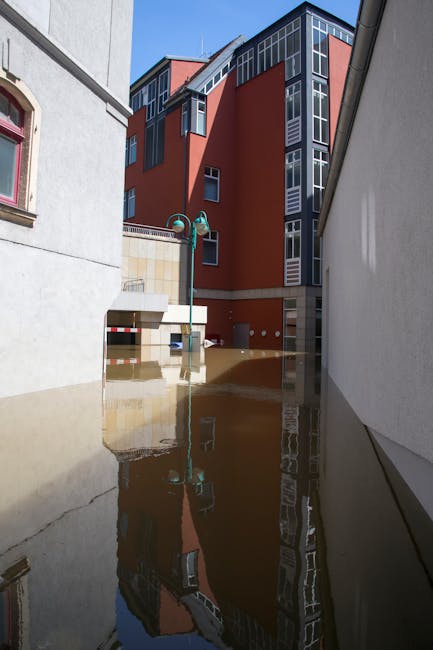
Emergency Rubbish Clearance After Flooding in Waterloo
Floodwater leaves a mess that goes far beyond damp carpets and muddy footprints. One moment a room looks salvageable, the next it is full of soaked boxes, broken furniture, swollen wood, ruined flooring and that sharp, stale smell that tells you the clean-up cannot wait. If you need Emergency Rubbish Clearance After Flooding in Waterloo, the priority is simple: clear the unsafe waste quickly, protect the property from further damage, and make the space ready for drying, repairs, or a proper insurance inspection.
In Waterloo, that can mean anything from a basement that has taken on water overnight to a flat clearance after a burst pipe, surface water event, or building issue. Truth be told, the first 24 hours matter a lot. The longer contaminated rubbish sits there, the more likely it is to spread odour, mould, and health risks. This guide explains what emergency flood clearance involves, how the process works, what to expect, and how to make sensible decisions without adding stress to an already messy situation.
We will keep it practical. No fluff, no overblown claims, just clear guidance based on what people usually need in a real flood cleanup. If you are also arranging wider waste removal or looking at related services, it may help to look at rubbish collection, domestic rubbish removal, or even property clearance if the damage has affected more than one room.
Table of Contents
- Why Emergency Rubbish Clearance After Flooding in Waterloo Matters
- How Emergency Rubbish Clearance After Flooding in Waterloo Works
- Key Benefits and Practical Advantages
- Who This Is For and When It Makes Sense
- Step-by-Step Guidance
- Expert Tips for Better Results
- Common Mistakes to Avoid
- Tools, Resources and Recommendations
- Law, Compliance, Standards, or Best Practice
- Options, Methods, or Comparison Table
- Case Study or Real-World Example
- Practical Checklist
- Conclusion
- Frequently Asked Questions
Why Emergency Rubbish Clearance After Flooding in Waterloo Matters
Flood damage creates a very specific type of problem. It is not just clutter. It is waste that may be waterlogged, contaminated, heavy, unstable, and awkward to move. In a typical Waterloo property, that can include carpet underlay, broken appliances, softened furniture, ruined mattresses, spoiled food, plasterboard offcuts, packaging, and personal items that simply cannot be kept. Some of it may look harmless at first glance. It usually is not.
The main reason urgent clearance matters is that flood waste starts causing secondary damage fast. Damp materials encourage mould growth. Standing water can seep deeper into floors and skirting boards. Rotting contents can produce bad smells that linger for weeks. And if the rubbish is blocking access, it makes it much harder for electricians, insurers, builders, or dehumidification teams to do their job properly. You end up paying in time, stress, and often extra remedial work. Nobody needs that on a wet Tuesday morning, really.
There is also a practical safety angle. Heavy, soaked items can collapse when lifted. Sharp debris can be hidden under muddy fabric or broken furniture. If floodwater has entered from outside, there may be contamination from drains, road runoff, or general surface debris. That is why fast, organised rubbish clearance is not a luxury in this situation. It is part of stabilising the property.
For landlords, agents, and homeowners alike, quick removal also helps demonstrate responsible action. If you are trying to document damage for insurance or get a renovation moving, a tidy, cleared space gives everyone a clearer picture. Less guesswork. Less back-and-forth. More progress.
How Emergency Rubbish Clearance After Flooding in Waterloo Works
Emergency flood clearance is usually a same-day or next-day service designed to remove damaged items quickly and safely. The process tends to be straightforward, but the best teams still treat it carefully because flood waste is rarely just "junk". It often needs sorting, lifting, loading, and disposal in a way that protects the property and follows proper waste handling practices.
In most cases, it starts with a short assessment. You describe what has happened, where the flooding is, what needs removing, and whether there are access issues. A ground-floor flat with waterlogged furniture is very different from a basement commercial unit with mixed debris and restricted entry. Good communication at the start saves a lot of awkwardness later.
Once the scope is clear, the clearance team will usually arrive with the right labour and equipment for the job. That may include protective gloves, masks, sack trucks, heavy-duty bags, tubs, dust sheets, and loading equipment. If the items are large or awkward, they may dismantle them first to avoid damaging walls, stairwells, or communal areas. That part matters in Waterloo, where access can be tight and staircases can be unforgiving.
The crew then separates salvageable items from contaminated waste where possible. To be fair, after flooding you often have to make quick decisions. If something is fully soaked, warped, or carrying an odour, it may need to go. If a property has a mix of rubbish and recoverable possessions, it is worth slowing down just enough to avoid throwing away something important by mistake. That happens more often than people think.
After loading, the waste is taken to the appropriate disposal route. Depending on the type of material, that might mean general waste handling, bulky waste processing, or another licensed facility. The important point is that the rubbish should not simply disappear into a skip of unknown origin. You want a service that can explain where the waste is going and how it is being managed.
If the flood has left the place especially difficult, the clearance may be paired with other services such as mattress removal, sofa removal, or office clearance for commercial premises. Sometimes a flood turns a simple room into a mixed-waste job almost overnight.
Key Benefits and Practical Advantages
The value of emergency flood rubbish clearance is not just speed. The real benefit is that it helps the whole recovery process move with less friction. Once the damaged contents are out, the room can begin drying properly, and that changes everything.
- Reduces ongoing damage: removing wet items helps limit mould, odour, and further structural deterioration.
- Improves safety: gets rid of unstable, heavy, or contaminated waste before someone trips, slips, or strains themselves.
- Speeds up drying and repairs: empty rooms are easier to ventilate, dehumidify, measure, and restore.
- Helps with insurance and documentation: a cleared site is easier to photograph and assess properly.
- Lowers stress: one call can remove a huge chunk of the burden, especially when the property is already a bit overwhelming.
There is also a morale benefit, which sounds soft until you are standing in a flooded hallway. A cleared room feels more manageable. You can see the floor again. You can start thinking in steps rather than panic. Small thing, maybe, but it helps.
For businesses in Waterloo, speed can have another advantage: it shortens downtime. If stock, packaging, or old office furnishings have been damaged, clearing them quickly can make it easier to resume work safely. For households, it means getting back to normal life without a lingering pile of damp damage making the whole place feel stuck.
Who This Is For and When It Makes Sense
This kind of clearance is relevant to more people than you might expect. Flooding does not just hit one type of property, and not every case looks dramatic from the street. Sometimes it is a small seep into a utility room. Sometimes it is a full basement incident. Sometimes it is a communal area that needs sorting before residents can use the building properly again.
You probably need emergency rubbish clearance if you are:
- a homeowner dealing with soaked furniture, carpets, or damaged household waste
- a tenant who needs to clear flooded items before repairs can begin
- a landlord or letting agent responsible for a damaged rental property
- a facilities manager dealing with flooded commercial stock or office waste
- a builder or insurer-appointed contractor needing the site cleared before restoration
It also makes sense when the volume is more than you can realistically handle yourself. One black bag of ruined bits is not the same as a room full of waterlogged furniture. If you are already dealing with drying, insurance photos, contractor visits, and maybe a worried neighbour asking what happened, trying to do all the lifting yourself is rarely the clever move.
There are also cases where you should not wait. If the rubbish smells strongly, has visible mould, contains contaminated materials, or is blocking emergency access, urgent removal becomes a priority rather than a convenience. Better to act early than let a small flood become a bigger headache.
Step-by-Step Guidance
If this is your first flood-related clearance, it helps to have a simple order of operations. Not perfect. Just sensible.
- Make the area safe first. If there is standing water, electrical risk, gas concerns, or unstable flooring, keep clear until it is safe to enter.
- Separate what may still be recoverable. Put aside documents, valuables, electronics, and personal items if they can be rescued without risk.
- Photograph the damage. Do this before moving too much. Insurers usually prefer clear evidence of what happened.
- Identify the flood waste. Make a rough list: carpets, furniture, mattresses, bags, boxes, appliances, or mixed debris.
- Choose the right clearance help. If access is difficult or the waste is heavy, pick a team with flood and bulky-item experience.
- Book urgent removal. Same-day or next-day collection is often the sensible route after a flood.
- Ask how disposal will be handled. You want proper, traceable waste management, not vague assurances and crossed fingers.
- Follow up with drying and repairs. Clearance is only one stage. Once the waste is gone, drying and restoration can really begin.
Here is a useful rule of thumb: if an item has absorbed dirty water, smells contaminated, or has started to break down, it is usually a removal candidate. That said, not everything has to be decided in one frantic sweep. A calm, methodical approach usually saves money and avoids accidental loss.
Expert Tips for Better Results
A flood cleanup goes smoother when you think ahead a little. Not every detail matters, but the right few do.
- Keep access clear. Hallways, stairwells, and front doors should be as open as possible. A crowded route slows the job down and makes accidents more likely.
- Tell the team about hidden hazards. Broken glass, exposed nails, leaking containers, mould, or awkward parking restrictions all matter.
- Do not over-handle contaminated items. If something is sodden and foul-smelling, move it as little as possible before collection.
- Use separate piles if you can. One pile for obvious waste, one for potentially salvageable items, one for documents or valuables. Simple, but helpful.
- Allow a little extra time for heavy materials. Wet timber, plasterboard, and furniture weigh more than they look. Annoyingly more.
- Ask for clarity on scope. If there is a garage, shed, basement, or loft involved, mention it early so there are no surprises on the day.
One thing people often miss is odour. If the smell is strong enough to hit you at the door, that usually means porous items have absorbed water and need removing sooner rather than later. Another small but useful point: take one or two wide-angle photos of each room before the clearance begins. They can help with insurance and with planning the next phase.
If you want to reduce repeat disruption, consider pairing flood clearance with broader house clearance support where the property has been heavily affected. It can be more efficient than tackling each room separately, especially in a tight timeline.
Common Mistakes to Avoid
Flood situations make people rush. Understandable. But a few common errors can make recovery slower or more expensive.
- Waiting too long to remove soaked waste. The longer it sits, the worse the smell and mould risk can become.
- Trying to save everything. Some items are simply not worth the effort once contamination or structural damage sets in.
- Mixing salvageable items with waste. That is how important documents and keepsakes disappear into the wrong pile.
- Ignoring access issues. Narrow stairwells, permit needs, and parking problems can turn a quick job into a slow one.
- Assuming all clearance services are the same. Flood waste needs practical handling, not just a van and good intentions.
- Skipping documentation. If you might need to claim, record everything before removal starts.
Another mistake is focusing only on the visible mess. Flood water travels. It may have reached under cupboards, behind skirting boards, or into hidden corners. A clearance team cannot fix structural issues, of course, but it can help expose them by clearing the obvious debris first.
And yes, there is always one item that looks fine until you touch it and it collapses into a damp mess. Floods have a habit of making liars out of ordinary-looking furniture.
Tools, Resources and Recommendations
You do not need to arrive armed with specialist gear, but a few sensible tools and resources make the process easier. In a home setting, basic gloves, torches, heavy-duty bags, a notepad, and your phone camera are usually enough for initial sorting. If you are a landlord or facilities manager, having a simple incident log helps keep track of what was damaged, removed, and retained.
For larger clearances, professional teams may use:
- protective gloves and masks
- heavy-duty rubble sacks and waste bags
- trolleys or sack trucks for wet furniture
- dismantling tools for bulky items
- sheets or floor protection to reduce mess during removal
- loading equipment for awkward or heavy items
From a planning perspective, it helps to have a short list of what is affected, what is urgent, and what can wait. That makes quoting easier and reduces back-and-forth. If the flood has affected a larger premises, you may also want to explore commercial rubbish removal or garage clearance depending on where the damage occurred.
If you are coordinating after-hours work or trying to keep disruption low in a shared building, explain that clearly at the start. A bit of planning goes a long way. Quietly, it saves everybody a headache.
Law, Compliance, Standards, or Best Practice
Flood-related rubbish removal should be handled carefully and in line with normal UK waste management expectations. While the exact rules depend on the waste type and the property situation, the broad best practice is straightforward: waste should be collected, transported, and disposed of responsibly by a properly managed service.
In practical terms, that means a few things. The team should not leave waste piled in a way that creates hazards or blocks access. They should understand how to separate ordinary household rubbish from potentially contaminated materials. And they should be able to explain what happens to the waste after collection, especially if it includes bulky items, electricals, or materials affected by dirty water.
For landlords, agents, and businesses, it is sensible to keep records of the clearance date, the type of waste removed, and any related damage notes. That is not about bureaucracy for its own sake. It simply helps with insurance, occupancy planning, and general duty of care. If the flood involved hazardous contamination, specialist advice may be needed before disposal decisions are made. Better safe than sorry there.
Good practice also means protecting the building and neighbours during removal. In Waterloo, shared entrances, close neighbours, and limited parking can make a rushed job messy very quickly. A careful crew will work around those constraints rather than pretending they do not exist.
Options, Methods, or Comparison Table
People usually choose between clearing the flood rubbish themselves, using a skip, or booking a professional emergency clearance. Each has a place. The right choice depends on the amount of waste, how wet or heavy it is, and how quickly you need the space back.
| Option | Best for | Pros | Limitations |
|---|---|---|---|
| DIY removal | Very small amounts of dry or lightly affected waste | Low upfront cost, immediate start | Time-consuming, physically hard, not ideal for contaminated or heavy items |
| Skip hire | Longer clean-ups with access for a skip and enough space | Flexible over several days, useful for mixed waste | Requires space, permits may be needed, loading wet furniture is tough |
| Emergency rubbish clearance | Urgent flood waste, bulky items, difficult access, quick turnaround | Fast, labour included, less lifting for you, better for awkward situations | May cost more than doing it yourself, needs a reliable provider |
For most flood situations in Waterloo, emergency clearance is the most practical option if the waste is heavy, contaminated, or urgently in the way. DIY can work for a small, dry follow-up tidy-up later. A skip can be useful if the recovery is drawn out and you have space. But when the room needs to be emptied quickly so drying can begin, a responsive clearance team is usually the cleanest answer.
Case Study or Real-World Example
Imagine a lower-ground flat in Waterloo after a night of heavy rain. By morning, the hallway carpet is soaked, a small storage area has filled with damp cardboard, and a sofa near the entrance has pulled up moisture from the floor. There is also a box of personal belongings that got wet at the bottom. Nothing dramatic enough for a film scene, but enough to derail the week completely.
The first sensible step is to stop using the affected area and check for electrical risk. Next, the resident photographs the damage and separates a few dry items that can be saved. The flooded carpet, ruined boxes, and saturated sofa are marked for removal. The room smells stale and a bit earthy already, which is usually a sign not to dither.
A clearance team arrives with protective gear, removes the heavy items carefully, and clears the floor so drying equipment can be placed more effectively. The result is not instant perfection. Flood recovery rarely is. But the property moves from chaos to a workable state in one visit, and that is often the turning point. Repairs can start, the smell begins to ease, and everyone gets a clearer plan.
That is the real point of emergency rubbish clearance after flooding. It is not just about taking stuff away. It is about giving the property a chance to recover properly.
Practical Checklist
Use this quick checklist when you are dealing with flood waste in Waterloo. It keeps the process calmer and more organised.
- Check the property is safe to enter
- Turn off or isolate electrics if needed by a qualified person
- Photograph all damaged items before moving them
- Separate valuables, documents, and anything possibly salvageable
- Identify bulky items, soaked materials, and contaminated waste
- Clear access routes for the removal team
- Book urgent collection if the waste is blocking recovery work
- Ask how the waste will be handled and disposed of
- Confirm whether anything needs special handling
- Arrange drying, cleaning, and repair work after clearance
Expert summary: After flooding, speed matters, but so does judgement. Remove the waste that is unsafe, ruined, or in the way, protect anything that can still be saved, and get the space cleared so proper drying and repairs can begin. That simple sequence prevents a lot of avoidable damage.
Conclusion
Emergency flood rubbish clearance is one of those jobs that feels bigger than it should, because it arrives right in the middle of disruption. But once the damaged waste is out, the whole situation becomes more manageable. You can see the room. You can assess the real damage. You can begin putting things right.
If you are dealing with flood waste in Waterloo, the key is to act quickly, work safely, and choose a clearance approach that fits the property, the volume of waste, and the urgency of the repair timeline. Sometimes that means a simple same-day collection. Sometimes it means a broader property clearance plan. Either way, getting the rubbish removed promptly is often the best first move you can make.
Get a free quote today and see how much you can save.
And if you are staring at a soggy room wondering where to start, start with the mess. That first cleared space is often the first proper sign that recovery has begun.
Frequently Asked Questions
What counts as emergency rubbish clearance after flooding?
It usually means the rapid removal of water-damaged items, debris, and contaminated household or commercial waste so the property can dry, be assessed, and repaired without delay.
How quickly can flood rubbish be removed in Waterloo?
In many cases, same-day or next-day collection is possible, depending on availability, access, and the amount of waste involved. The sooner you explain the situation, the better the chance of a fast response.
Can wet furniture and carpets be taken away?
Yes. Soaked furniture, carpets, underlay, and mattresses are commonly removed after flooding, especially if they are contaminated, mould-prone, or no longer safe to keep.
Should I wait for the water to dry before booking clearance?
Usually no. If items are clearly ruined or blocking access, it is often better to arrange clearance early so drying and repair work can begin properly.
Do I need to sort everything before the clearance team arrives?
No, not necessarily. A rough separation of valuables, documents, and obvious waste helps, but a good team can handle most of the heavy lifting and loading for you.
Is flood rubbish treated differently from normal household waste?
Sometimes, yes. If items are contaminated, waterlogged, or mixed with debris from outside, they may need more careful handling than ordinary rubbish.
Will emergency rubbish clearance help with insurance claims?
It can help indirectly by clearing the property so you can photograph the damage, record what was removed, and make the site easier to inspect. Keep your own records as well.
What if the property has tight access or stairs?
That is very common in London properties, including parts of Waterloo. Mention access issues in advance so the clearance team can bring the right equipment and enough labour.
Can I use a skip instead of booking a clearance team?
You can, but it is not always the best choice for flood waste. If the items are heavy, contaminated, or need to be removed quickly, a full clearance service is often more practical.
How do I know if an item should be kept or thrown away?
If it has absorbed dirty water, smells strongly, shows mould, or has warped or broken down, it is usually safer to remove it. If something may be salvageable, set it aside and avoid overhandling it.
Is it safe to move flood-damaged rubbish myself?
Only if the items are small, dry enough to handle, and there is no contamination or structural risk. Wet items can be very heavy and slippery, so caution is important.
What happens after the rubbish is cleared?
Once the waste is gone, the next steps usually involve drying, deep cleaning, repairs, and possibly mould prevention work. Clearance is the first practical reset, not the whole recovery.